Lima: South America’s Culinary Capital | Café de Martín
Lima: South America’s Culinary Capital
Lima, the capital of Peru, has transformed over the past decade into one of Latin America’s most vibrant and celebrated food destinations National Geographic. Once overshadowed by other South American cities, Lima now boasts a gastronomic scene that rivals Paris or New York, thanks to a blend of indigenous culinary traditions, colonial influences, and modern innovation.
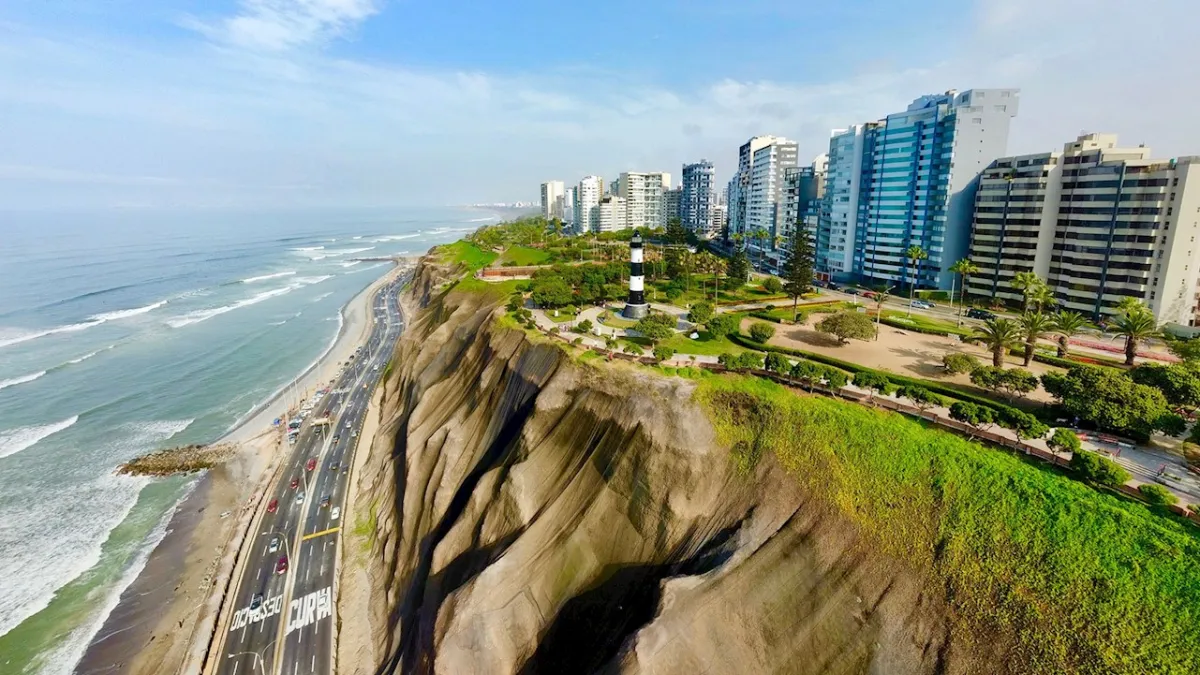
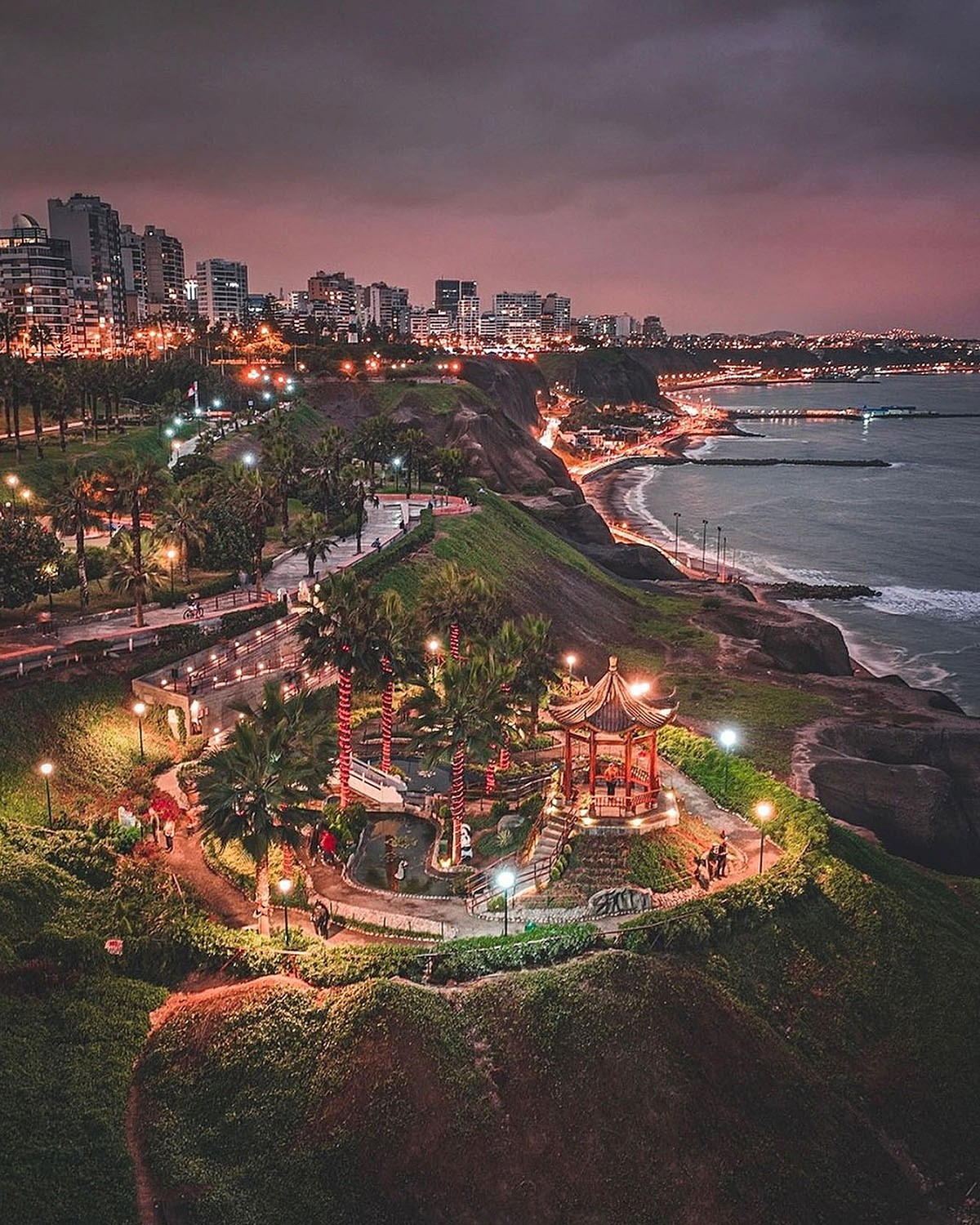
Lima defies easy culinary categorisation. Peru’s capital, set above the towering cliffs of the Costa Verde, overlooks a sweep of Pacific coast from the gritty port city of Callao to the fishing village of Chorrillos. A city, a port and a gateway to Latin America, Lima doesn’t have a distinct geographical cuisine, it has dozens of them. Regional ingredients and cultural heritage, both ancient and modern, all mingle together, creating new combinations of flavours.
From Ceviche to Creole Flavors
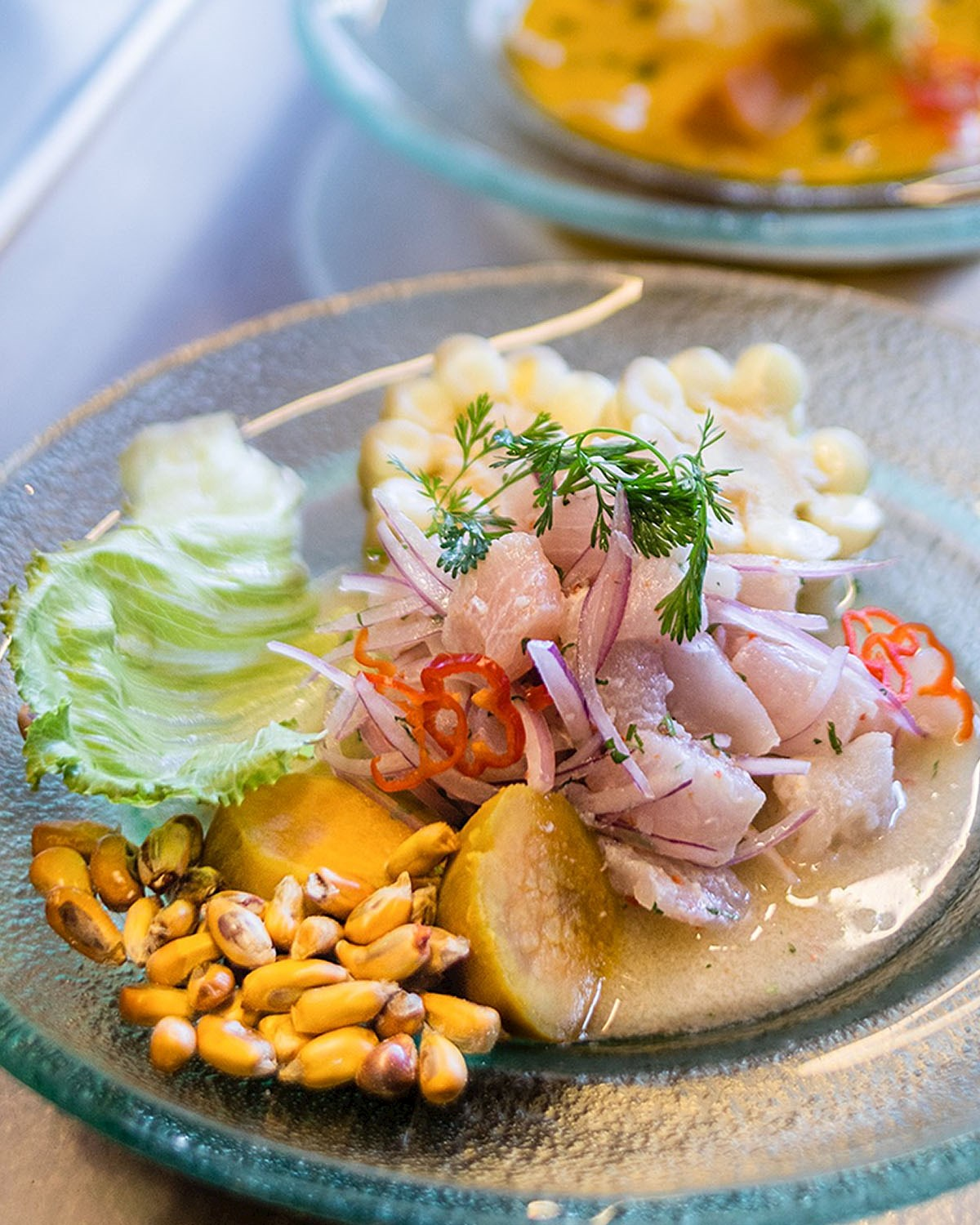
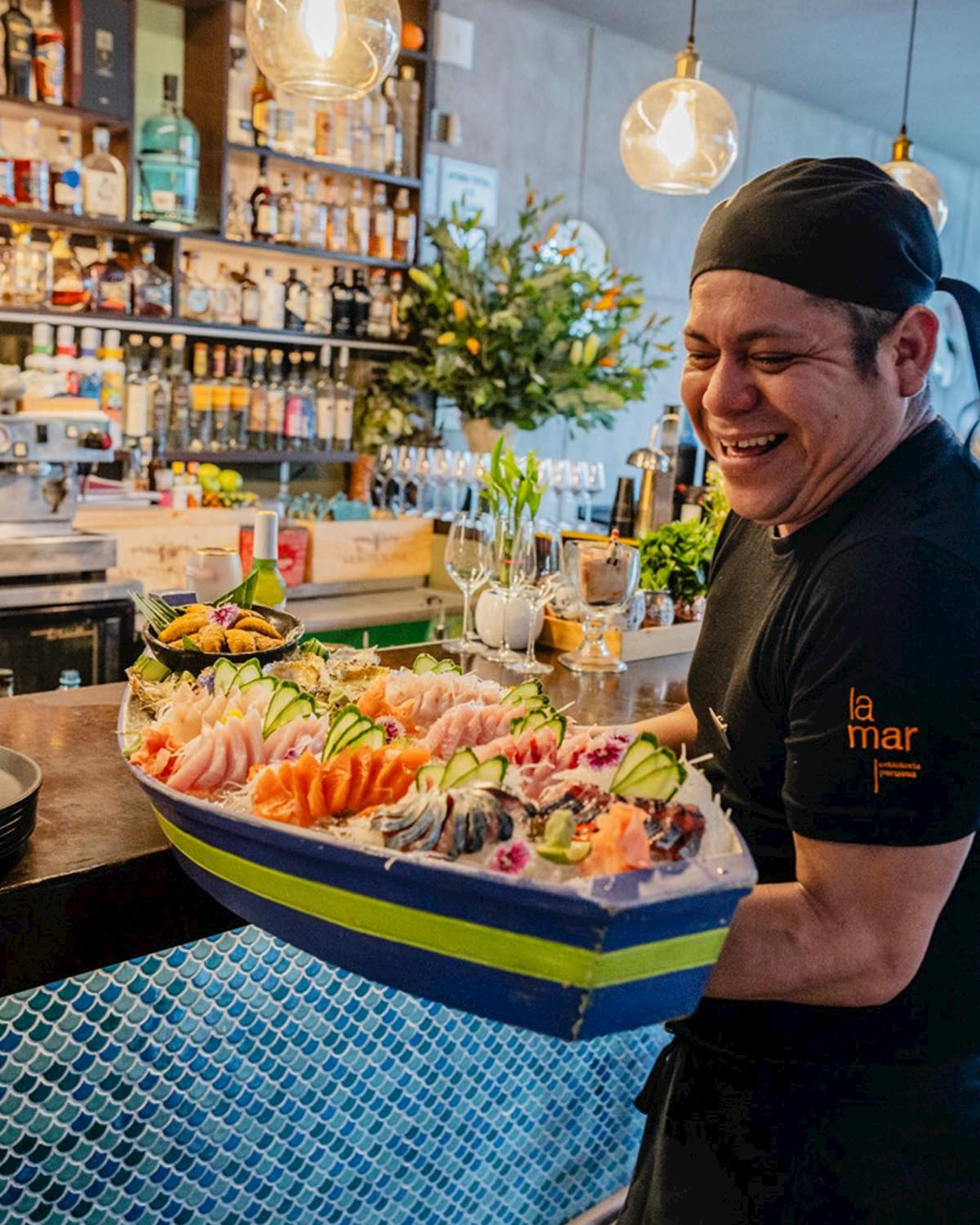
Peru’s national dish, ceviche, is a perfect entry point into Lima’s culinary diversity. Originally marinated fish in the juice of the tumbo fruit, it evolved under Spanish colonial influence to include limes, onions, and chili, and was later refined by Japanese chefs in the 1970s to shorten marination time National Geographic. Today, ceviche comes in countless forms from sea bass and sole to black clams and sea urchin enjoyed in upscale restaurants like Central, Mayta, and Maido, or at street-side cevicherías such as La Mar.
The Richness of Creole Cuisine
Lima’s culinary personality extends far beyond seafood. Its traditional Creole cuisine, known locally as comida criolla, combines Indigenous, Spanish, African, Chinese, Italian, and Japanese influences.
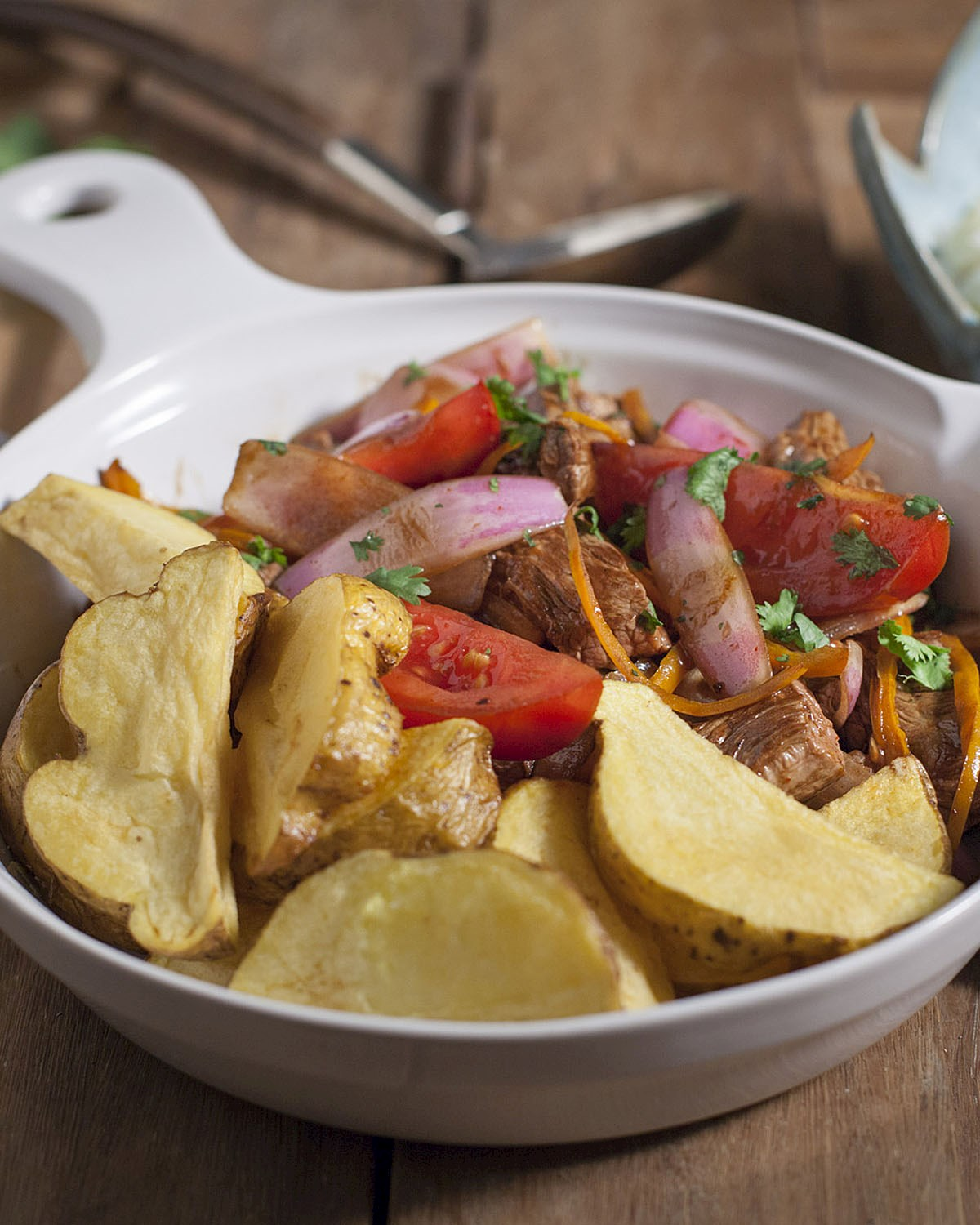
Dishes such as lomo saltado illustrate this cultural fusion particularly well. Tender pieces of beef are stir-fried with onions, tomatoes, and seasonings before being served with potatoes and rice. The dish brings together Peruvian ingredients and Chinese cooking techniques, reflecting the lasting influence of Chinese immigration on the country’s cuisine.
These combinations have helped create a culinary language that is unmistakably Peruvian: generous, colorful, aromatic, and deeply connected to family and tradition.
World-Class Gastronomy
Lima’s success is anchored by Central, founded by chefs Virgilio Martínez and Pía León, which entered The World’s 50 Best Restaurants in 2013 and has remained in the top 50 since National Geographic. Pía León was named World’s Best Female Chef in 2021. Lima’s restaurants consistently rank among the continent’s best, showcasing the country’s extraordinary biodiversity and fresh ingredients.
Cultural and Culinary Identity
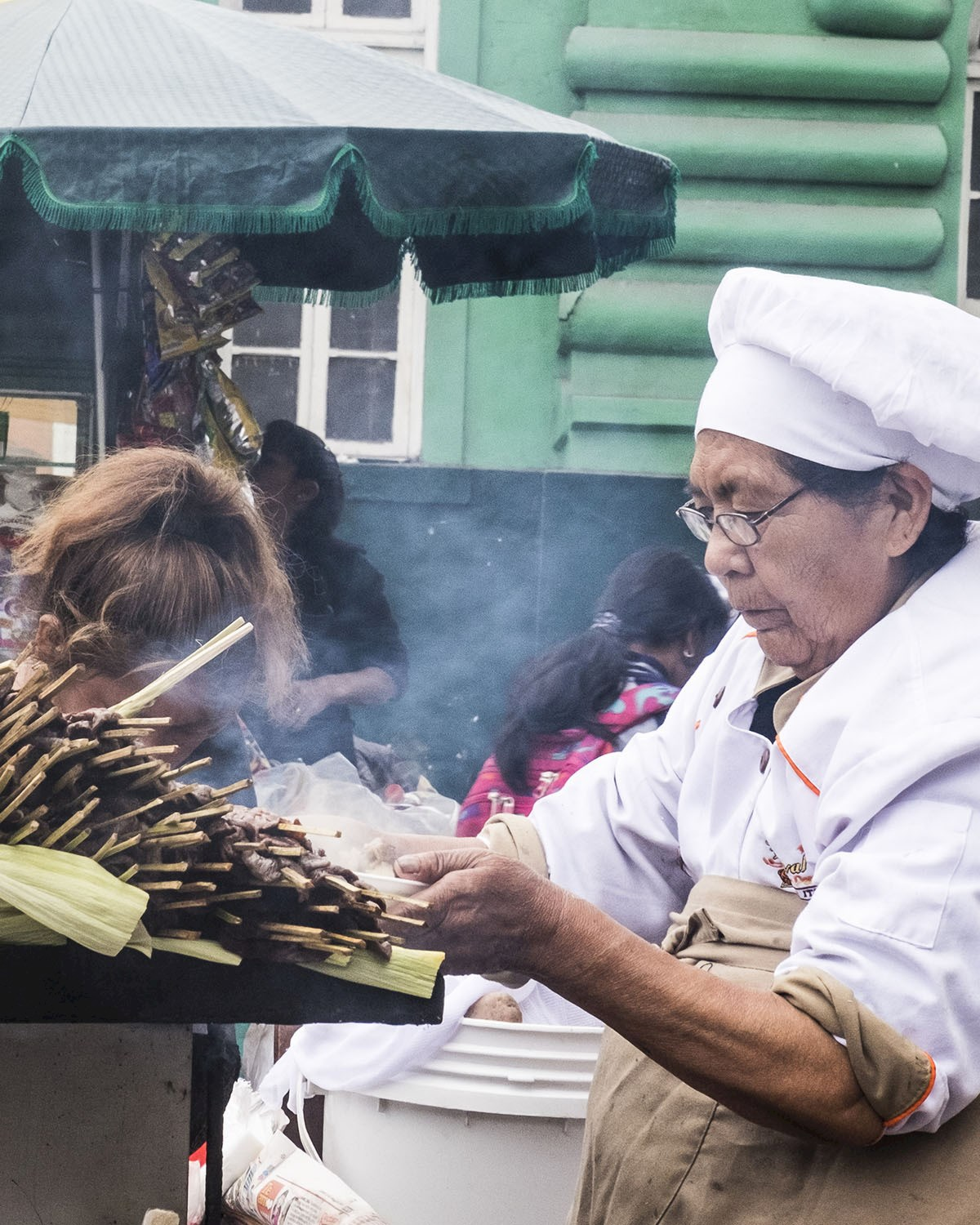
The city’s cuisine reflects its geographic diversity from coastal seafood to Andean staples and its cultural heritage. Peruvian food is known for being fresh, inventive, and deeply rooted in local traditions, with most recipes unique to the country Agencia Peruana de Noticias Andina. Gastronomy has become a source of national pride, with chefs celebrated as cultural heroes.
A City Best Experienced Through Its Food
To understand Lima, one must experience its cuisine. A plate of ceviche reveals the freshness of the Pacific. Lomo saltado reflects the cultural encounters that shaped the city. Traditional recipes preserve family histories, while contemporary restaurants reinterpret Peru’s natural and cultural diversity.
Lima’s culinary success is not based on a single dish or restaurant. It comes from the relationship between its people, its coastline, its regional ingredients, and the traditions brought to the capital from every corner of Peru.
This combination has made Lima not simply a destination for exceptional food, but one of the world’s most compelling culinary cities.
Martin Araujo
Chef and Owner